




Why Most SME Funding Applications Fail Before They are Even Read
Why Most SME Funding Applications Fail Before They are Even Read
Takeaways from our Milton Keynes event on getting bank ready.
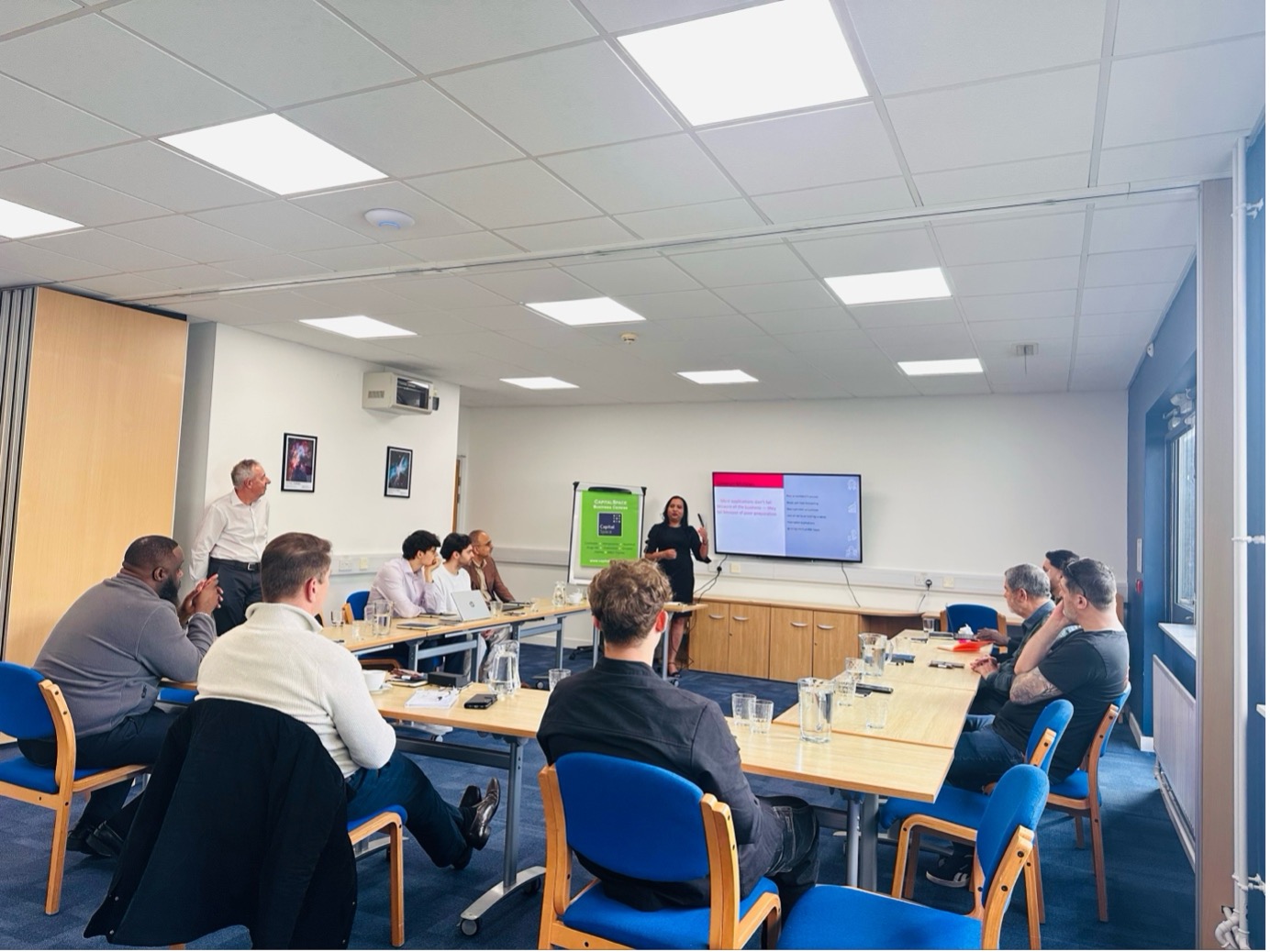
On 20 April, we hosted a room full of SME owners and finance leads at the Milton Keynes Business Centre for a frank conversation about raising finance. The most uncomfortable takeaway of the afternoon.
The businesses that get funded in today’s market are not always the best businesses — they are the best prepared.
Gayani Subasinghe, our Senior Manager, opened the session by grounding the discussion in why SMEs actually need debt funding — working capital, growth, asset investment, bridging cash flow gaps, or restructuring existing debt. The problem, she noted, is that many owners cannot clearly articulate which of these they are solving for. And if you cannot, a lender certainly can’t.
The warning signs most owners miss
A profitable business can still be a fragile one. Gayani walked the room through five triggers that signal it’s time to think seriously about funding:
Revenue growing but cash is not. Ageing assets and declining productivity. Profits on paper but a thin bank balance. Frequent overdraft use and rising creditor days. A tangle of high-cost, short-term debt quietly draining margin.
If two or more sound familiar, the conversation needs to happen before you need the money — not when you need it.
What “funding-ready” actually looks like
Our view at Alexander Rosse is direct: your accountant should not just prepare accounts. They should help you become fundable. In practice, that means up-to-date financials, robust cash flow forecasts, a clean balance sheet, a clear credit profile for the business and its directors, a credible funding narrative, and early engagement with advisors — long before you apply.
Most applications do not fail because the business is not good enough. They fail because the preparation is not.
In our next piece, we share what lenders themselves told the room about how they assess applications — and the common reasons they say no.