







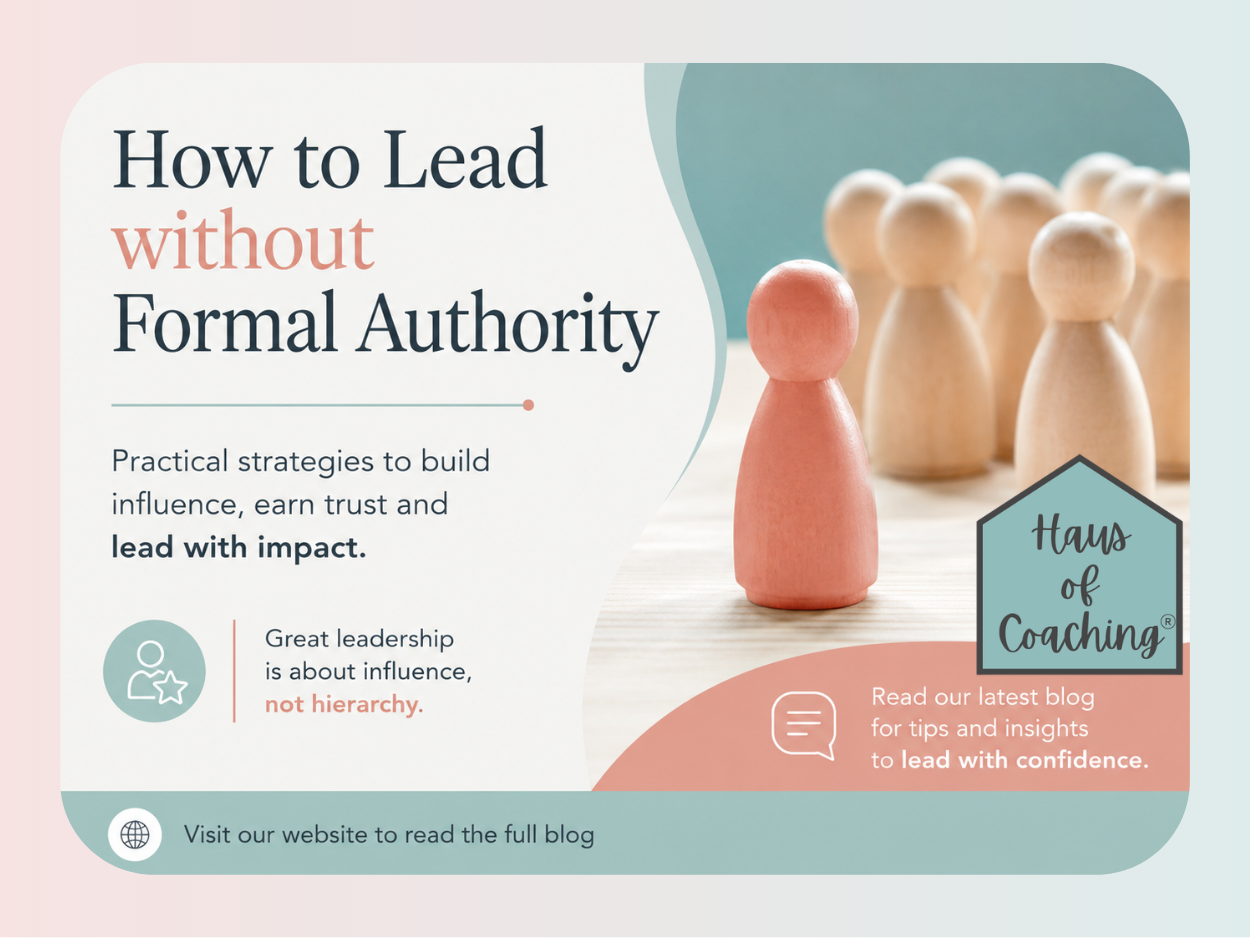
Influencing Without Authority: Leadership Skills That Build Trust and Results
Leadership isn’t defined by a job title.
Many professionals are expected to lead projects, influence decisions and coordinate teams without having direct management responsibility. Whether you’re managing stakeholders, leading a cross-functional project or working within a matrix organisation, your ability to influence others often determines your success.
The most effective leaders don’t rely on authority. They build trust, communicate with clarity and create an environment where people genuinely want to contribute.
Build Trust Before You Need It
Influence starts with credibility. People are far more likely to support someone who consistently delivers, keeps commitments and demonstrates expertise. Every interaction either strengthens or weakens the confidence others have in you.
Building trust doesn’t happen through one conversation. It develops through reliability, honesty and consistency over time. Simple actions make a significant difference:
- Deliver on promises
- Be prepared for meetings
- Share information openly
- Admit when you don’t know something
- Follow through on agreed actions
These behaviours demonstrate professionalism and make others more willing to support your ideas.
Develop Strong Leadership Communication
Communication is one of the most valuable leadership skills you can develop. People are far more likely to engage when they understand why something matters rather than simply being told what to do. Instead of focusing only on tasks, explain the bigger picture.
Help colleagues understand:
- the purpose of the work
- the desired outcome
- the benefits for the team or organisation
- what success looks like
When expectations are clear, collaboration becomes much easier.
Influence Through Relationships
Successful project leaders invest time in relationships before problems arise. Take time to understand what motivates your colleagues, what pressures they face and how your work affects theirs. Influence becomes much easier when people feel understood rather than managed.
- Ask questions
- Listen carefully
- Look for shared goals instead of competing priorities
People support people they trust.
Lead Cross-Functional Teams Effectively
Cross-functional teams bring together different expertise, personalities and priorities. While this diversity creates better outcomes, it can also lead to misunderstanding and conflicting expectations.
Strong leaders create alignment by:
- agreeing shared objectives
- clarifying responsibilities
- encouraging open discussion
- resolving misunderstandings early
- celebrating collective success
Rather than trying to control every decision, focus on creating clarity and removing barriers.
Handle Difficult Conversations Professionally
Disagreement is inevitable whenever people work together. Influential leaders don’t avoid conflict, but they approach it with curiosity rather than defensiveness.
Before responding, ask yourself:
- What is this person concerned about?
- What outcome are they trying to protect?
- Where do our interests overlap?
Acknowledging another person’s perspective doesn’t mean agreeing with it. It simply creates space for a more constructive conversation. Staying calm under pressure builds confidence in your leadership and encourages others to do the same.
Small Habits Create Lasting Influence
Leadership influence is built through everyday behaviours rather than one-off moments.
Focus on developing habits such as:
- asking thoughtful questions
- communicating with clarity
- keeping commitments
- recognising others’ contributions
- providing solutions instead of problems
- remaining calm during challenges
Over time, these behaviours strengthen your reputation and increase your ability to influence without relying on authority.
Final Thoughts
The workplace continues to evolve, with more organisations relying on project teams, remote collaboration and matrix structures. As a result, influence has become one of the most valuable leadership skills any professional can develop. When you communicate clearly, build trust and genuinely support others to succeed, leadership becomes something people willingly follow—not because they have to, but because they believe in you.
If you’re looking to strengthen your leadership skills, improve your executive presence or become more influential at work, leadership coaching can help you build the confidence and communication skills needed to lead with credibility, regardless of your job title.
If you’re leading projects, influencing stakeholders or stepping into a leadership role without formal authority, start with a confidential discovery call. Together, we’ll explore your current challenges, identify what’s holding you back, and discuss how coaching can help you build your confidence, strengthen your influence and lead with greater impact.
Email: hello@hausofcoaching.com
Visit: hausofcoaching.com